Common Causes of Cracks in Commercial Concrete Slabs
To repair cracks in commercial concrete slabs caused by issues like settlement or temperature changes, local contractors can assess the problem and provide effective repair solutions.
Understanding the common causes of cracks in commercial concrete slabs is essential for property owners looking to maintain the integrity and safety of their facilities. Cracks can develop for a variety of practical reasons, including soil movement beneath the slab, improper mix or placement during installation, and fluctuations in moisture levels. Recognizing these factors can help property owners identify potential issues early and take proactive steps to prevent more serious damage. Local contractors experienced in concrete repair can assess the specific conditions contributing to cracks and recommend effective solutions to restore the slab’s stability.
Exploring the root causes of cracks in commercial concrete slabs is a practical step toward preserving the longevity of a property’s foundation. Factors such as inadequate curing, heavy loads, and temperature changes can all lead to cracking over time. When cracks appear, it’s often a sign that underlying issues need attention before they worsen. Service providers in the area are equipped to evaluate the situation, diagnose the causes, and perform the necessary repairs to ensure the concrete remains durable and functional. Keeping informed about these common issues can help property owners make informed decisions about maintenance and repair strategies.
- Commercial concrete slab crack repair services are often needed when ground movement causes shifting and cracking in large commercial floors. Local contractors can assess structural stress and provide targeted repairs to prevent further damage. When temperature fluctuations lead to expansion and contraction, expert repair services help restore slab integrity. Cracks resulting from improper curing or poor installation are addressed by experienced service providers to ensure long-lasting results. Soil settlement beneath slabs is a common cause that local pros can identify and repair to stabilize the foundation.
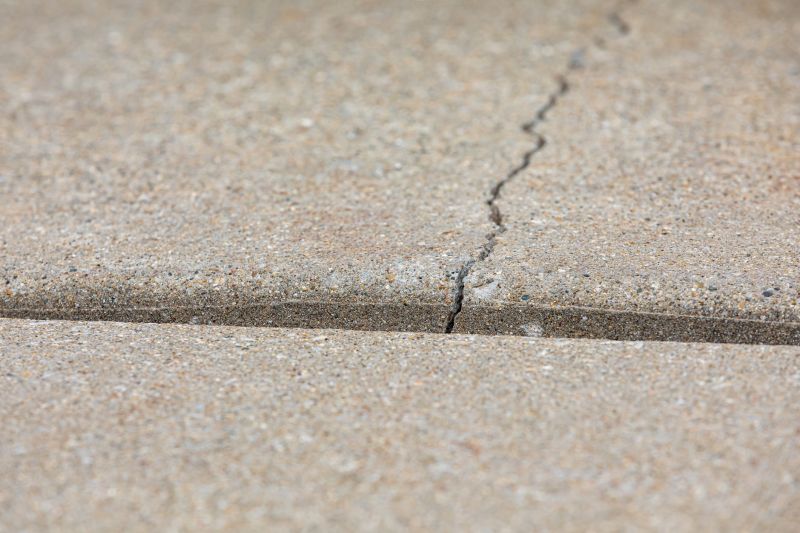
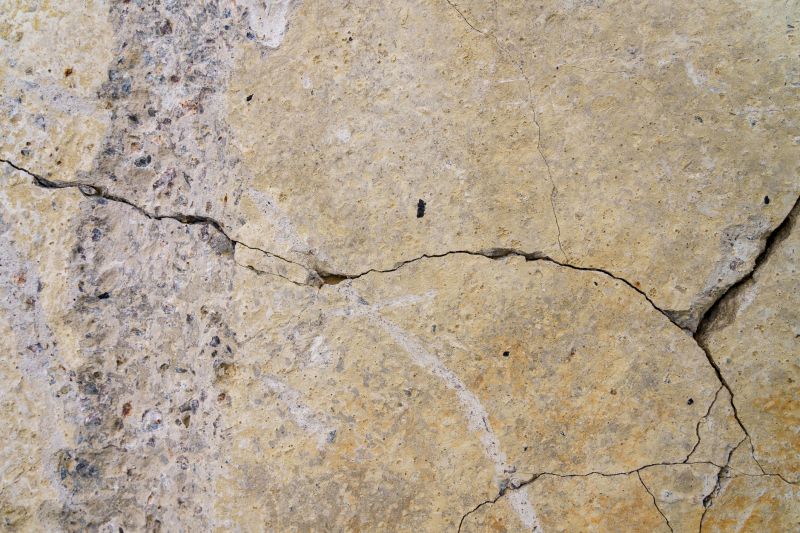
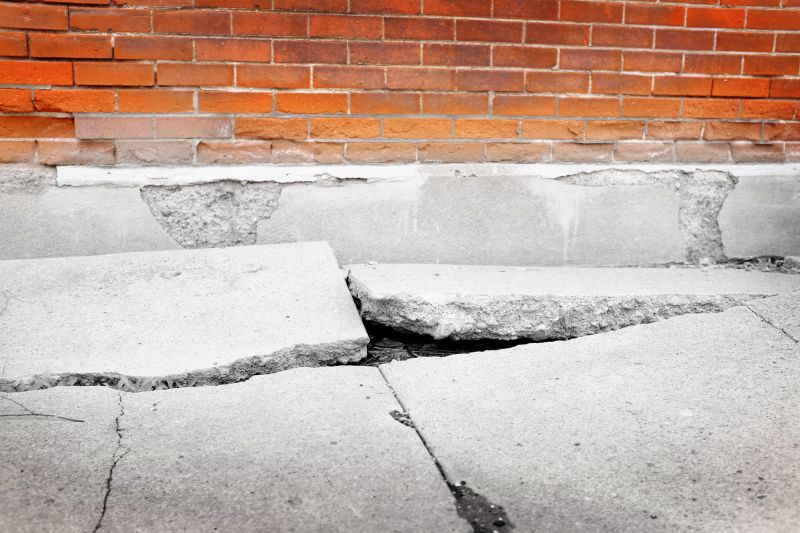
Understanding the common causes of cracks in commercial concrete slabs is essential for property owners and managers who want to maintain the integrity and safety of their facilities. When searching this topic, many are typically interested in identifying why their existing slabs are developing cracks or how to prevent future damage. These cracks can impact the overall appearance of a property, create trip hazards, or compromise the structural stability of the concrete. Recognizing the root causes can help property owners plan appropriate repair strategies and avoid costly repairs down the line. Local contractors who specialize in commercial concrete slab repair are equipped to diagnose these issues accurately and recommend effective solutions tailored to each property’s unique needs.
The problems associated with cracks in commercial concrete slabs often relate to the conditions under which the slabs were installed or the ongoing stresses they experience. For example, improper mixing or curing during installation can lead to weak spots that are prone to cracking over time. Additionally, heavy loads from forklifts, trucks, or other equipment can exert stress that causes the concrete to crack, especially if the slab was not designed to handle such weight. Environmental factors such as temperature fluctuations, moisture infiltration, or ground movement can also contribute to cracking. Property owners should consider how these factors might impact their specific property, whether it’s a warehouse, parking lot, or retail space, and seek expert advice from local service providers who understand the common causes of cracks in commercial concrete slabs.
Certain property types tend to experience these issues more frequently, especially those with large, flat concrete surfaces exposed to heavy use or environmental stressors. Commercial properties like parking decks, loading docks, industrial warehouses, and retail centers often encounter cracks due to the constant pressure and wear they endure. These slabs are typically thicker and more substantial than residential concrete, but they are still vulnerable to the same underlying causes. Over time, cracks can develop as a result of shifting ground, repeated loading, or inadequate installation practices. Local contractors who specialize in commercial concrete slab repair are familiar with the specific challenges faced by these property types and can provide targeted solutions to address the underlying causes and restore the integrity of the slabs.
For property owners noticing cracks or preparing for future projects, understanding the common causes of cracks in commercial concrete slabs helps clarify when professional assessment and repair are necessary. Cracks may appear as hairline fractures or wider gaps, and their pattern can indicate different issues such as settlement, thermal expansion, or structural overload. Connecting with local service providers can ensure that these problems are thoroughly evaluated and that repairs are performed with appropriate techniques to prevent further damage. Proper diagnosis and timely intervention can help extend the lifespan of the concrete slabs, improve safety, and maintain the property's value. Whether dealing with existing cracks or planning for new installations, knowing the common causes provides a practical foundation for making informed decisions about concrete maintenance and repair.
Parking lot construction - professionals experienced in large-scale concrete projects can address issues related to improper slab placement and early cracking caused by subgrade problems.
Industrial flooring installation - local contractors skilled in concrete work can help prevent cracks resulting from heavy machinery loads and inadequate reinforcement.
Sidewalk and pathway repair - service providers who specialize in concrete repair can tackle cracks caused by soil movement and temperature fluctuations.
Foundation slab pouring - experts in foundation work understand how to minimize cracking due to settlement and poor soil preparation.
Retail space flooring - local concrete specialists can assist in fixing cracks that emerge from improper curing and load stress.
Warehouse floor resurfacing - contractors familiar with commercial slabs can address issues related to shrinkage cracks and structural stress factors.
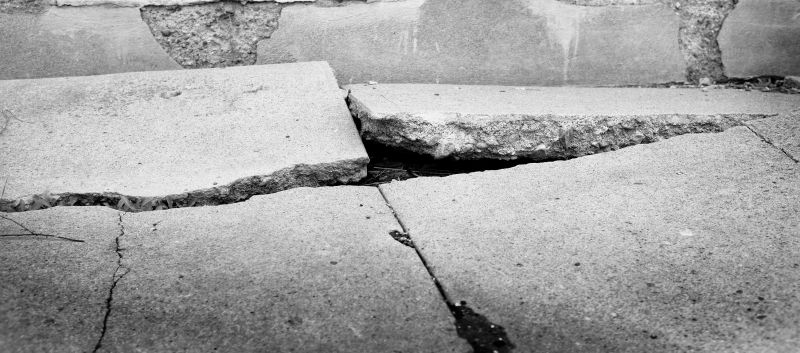
When comparing local contractors for commercial concrete slab crack repair, it’s important to consider their experience with similar projects. A contractor who has handled concrete slab repairs in commercial settings will understand the specific challenges associated with common causes of cracks in commercial concrete slabs, such as settlement, shrinkage, or improper joint placement. Experience can often translate into a more accurate assessment of the root causes of cracks and more effective repair solutions, helping to ensure the longevity and stability of the concrete surface. Asking about past projects or reviewing portfolios can provide insight into their familiarity with the type of work needed for your specific situation.
Clear written expectations are vital when evaluating service providers for concrete slab crack repair. A reputable contractor should be able to explain the scope of work, the methods they plan to use, and the materials involved in a straightforward manner. This transparency helps prevent misunderstandings and ensures that all parties are aligned on what the repair process will entail. When comparing options, look for contractors who provide detailed written proposals or estimates that outline the work to be performed, the timeline, and any necessary preparations, so that expectations are set from the outset.
Reputable references and good communication are key indicators of a dependable service provider. Contractors who can provide references from previous clients or examples of completed projects demonstrate a track record of quality work. Additionally, effective communication throughout the process-such as prompt responses to questions or concerns-can significantly impact the overall experience. Engaging with service providers who prioritize clear, ongoing communication can help ensure that issues related to common causes of cracks in commercial concrete slabs are addressed thoroughly and efficiently, leading to a more satisfactory repair outcome.
Property owners often search for common causes of cracks in commercial concrete slabs when they are planning practical projects around their homes and businesses. Local pros provide Commercial Concrete Slab Crack Repair services for everyday jobs and straightforward project options.
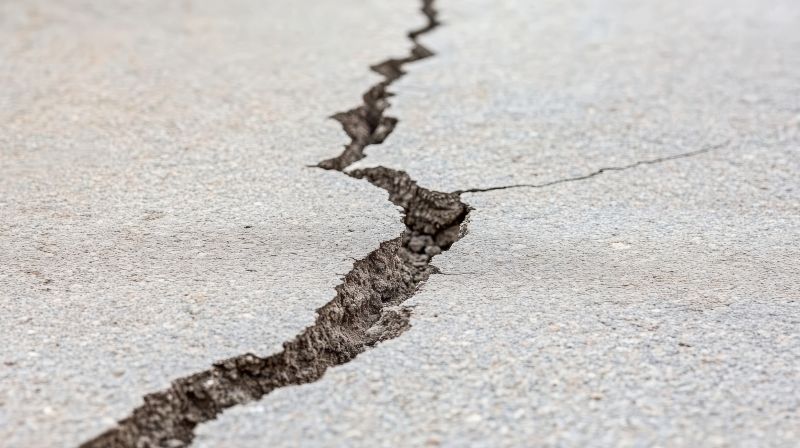
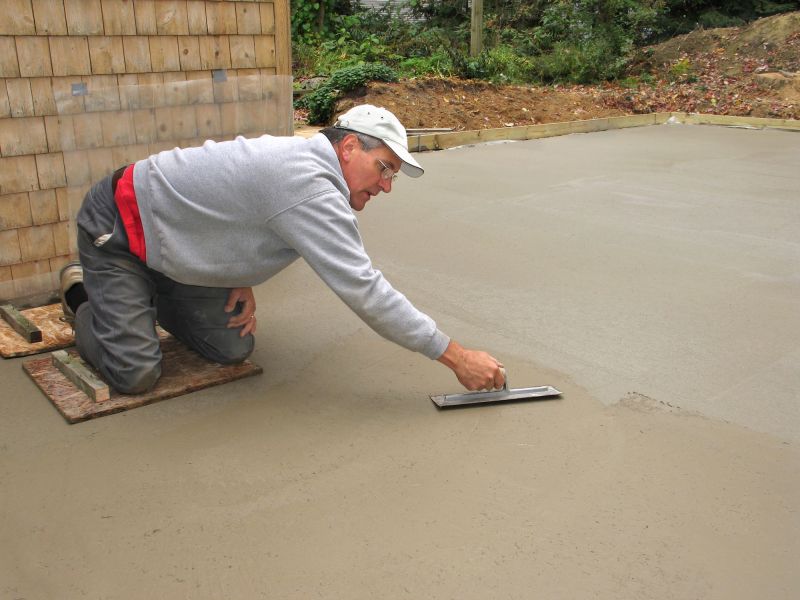
Understanding the common causes of cracks in commercial concrete slabs can help property owners better assess and address issues that arise during the lifespan of their facilities. Everyday project situations, such as improper subgrade preparation or inadequate curing, often lead to stress and movement within the concrete, resulting in visible cracks. Heavy equipment or frequent traffic can also contribute to structural stress, especially if the slab wasn’t designed to handle such loads. When cracks appear, it’s important to recognize that they may stem from these typical causes, and consulting with experienced local contractors can provide effective repair solutions to maintain the integrity of the concrete surface.
Other factors that commonly cause cracks in commercial concrete slabs include thermal expansion and contraction due to temperature fluctuations, as well as poor joint placement or insufficient reinforcement. Over time, these issues can cause the concrete to shift or settle unevenly, leading to surface cracks. Property owners noticing these signs might consider working with local service providers who specialize in crack repair and slab restoration. These professionals can assess the specific conditions contributing to the damage and recommend appropriate repair methods to help prolong the lifespan of the concrete and prevent further deterioration.
What are common causes of cracks in commercial concrete slabs? Common causes include improper mixing, inadequate reinforcement, soil movement, and exposure to temperature changes, which can lead to stress and cracking in the concrete.
How does soil settlement contribute to cracking in concrete slabs? Soil settlement occurs when the ground beneath the slab shifts or compresses, causing uneven support and resulting in cracks over time.
Can temperature fluctuations cause cracks in commercial concrete slabs? Yes, rapid or extreme temperature changes can cause expansion and contraction, leading to stress and potential cracking in the concrete surface.
Why does improper curing lead to cracks in concrete slabs? Inadequate curing prevents the concrete from gaining strength properly, increasing the risk of shrinkage cracks as the material dries unevenly.
How can local contractors help with cracks caused by these issues? Experienced service providers can assess the cause of cracks, perform necessary repairs, and recommend proper techniques to prevent future cracking in commercial concrete slabs.
Soil settlement issues - property owners can work with local contractors to assess soil stability before pouring slabs, reducing future cracking risks.
Poor curing practices - ensuring proper curing methods are followed during installation can prevent cracks caused by rapid drying or temperature changes, with guidance from local pros.
Heavy loads and traffic - planning for appropriate load-bearing capacity and avoiding excessive traffic on new slabs helps prevent stress-related cracks, supported by local service providers.
Inadequate joint placement - consulting with local contractors to design proper joint spacing can control cracking patterns and improve slab longevity.
If you are thinking about common causes of cracks in commercial concrete slabs for a property, this guide is meant to help you understand this topic, the typical project types, and how different options might fit your plans.
When you are ready, you can use the quote form on this page to share a few details about your project. From there, local pros can review the basics and follow up with options that match what you have in mind.